|
In 1859 on the day after Thanksgiving Mr. Robinson the butcher, Mayor Harrington, the Postmaster of Nashua and a Col. Kidder, along with several promising young men and a reporter for the Nashua Daily Mirror hitched up a couple of teams of horses and began an 8 mile ride to Hollis New Hampshire. Their destination was the prosperous farm of John F. Cutter Esq., who owned a successful distillery in Kentucky, and had served in the New Hampshire Legislature. By the time the guests arrived they were ready to enjoy a “sumptuous feast.” The butcher was able to schedule a day to return to the homestead to begin the “hamming”. Mayor Harrington and the postmaster got to talk over old times with Mr. Cutter, and make arrangements to re-supply their liquor cabinets with Cutter Whisky. The young men were introduced to Mr. Cutter’s several daughters, and the reporter was taking notes:
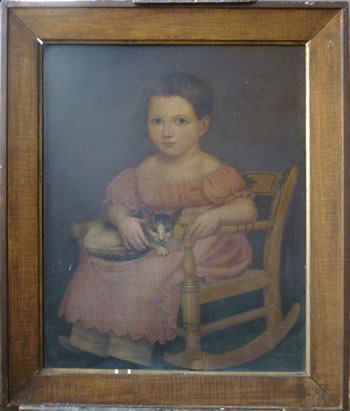
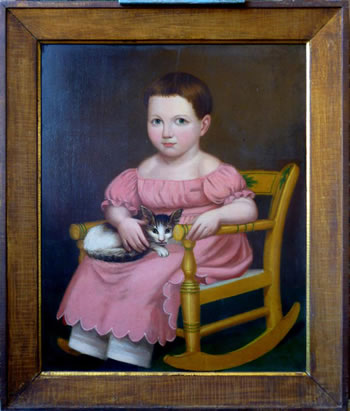
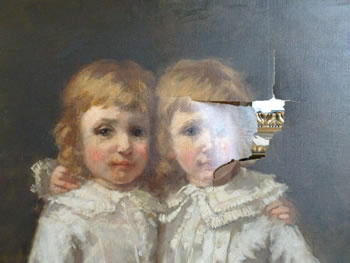
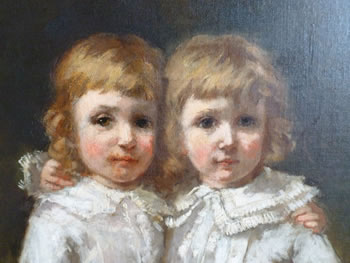
“The house is very large, and the chief rooms are hung about with paintings showing a love of the fine arts: paintings of every member of his family…and likenesses of the chief men in American history, and historical representations representing a strong patriotic feeling. He also keeps a room for artists… Mr. Lawson of Lowell is there a good deal painting new portraits and re-touching old ones.”
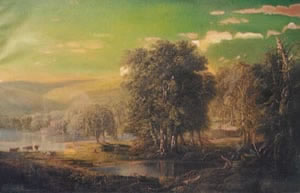
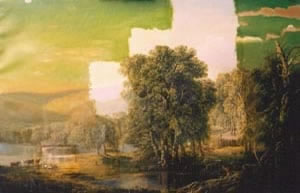
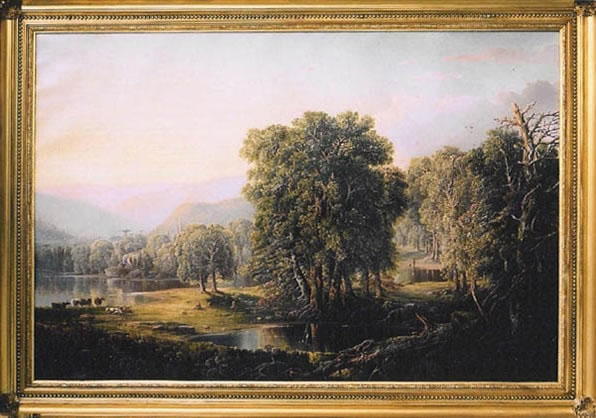
The artist John F. Higgins, eventually became well known for his landscape paintings of the White Mountains and exhibited at the Boston Athenaeum in 1859, 1861, and 1862.
The Cutter Homestead, now known as Buttonwood Farm, is still standing although under different ownership, and although changed in character is well maintained.
|